Lyrics & meaning
Bug Like an Angel (Meaning)
About this song
Bug Like an Angel Lyrics Meaning
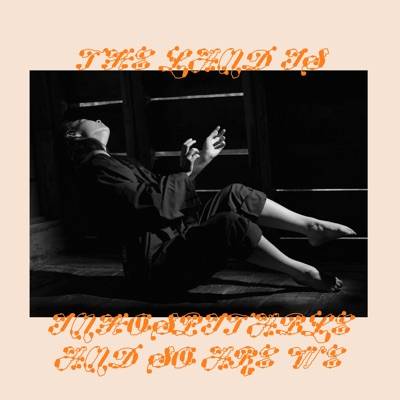
Bug Like an Angel is a captivating English Alternative masterpiece, brought to life by the artistic prowess of Mitski. The lyrics of the song are penned by Mitski Miyawaki, while the production credits go to Patrick Hyland. Mitski’s Bug Like An Angel is raw and deeply introspective, touching on addiction, regret, and the complicated nature of personal failure. Each verse feels like a fleeting thought—almost like journal entries, brief but heavy with meaning. Bug Like an Angel was released as a part of the album The Land Is Inhospitable and So Are We on September 15, 2023. “Bug Like an Angel Lyrics Meaning” has stayed with many, making it a song people naturally come back to again and again. Below, you’ll find the meaning of the lyrics for Mitski’s “Bug Like an Angel”, offering a glimpse into the profound artistry behind the song.
Listen to the complete track on Amazon Music
Choose your script
Read the Song Lyrics
There’s a bug like an angel stuck to the bottom
Of my glass, with a little bit left
This opening image is striking. A tiny insect, stuck at the bottom of a nearly empty glass, could symbolize the singer herself—trapped, weighed down, helpless. The mention of “a little bit left” suggests alcohol, hinting at the theme of drinking that runs through the song. Even when something is almost finished, it still lingers.
As I got older, I learned I’m a drinker
Sometimes a drink feels like family
Here, Mitski acknowledges a painful truth—drinking has become a part of her identity. It’s not just a habit but something she has come to accept about herself. And in moments of loneliness, it fills the space where family or support should be. There’s a sadness in that realization, that alcohol can feel like the only constant presence in her life.
Family
This one word, standing alone, carries weight. It could be a longing for connection, a reminder of what’s missing, or even an ironic statement. If drinking feels like family, then what does that say about actual family? Is it distant? Broken? Or simply not enough?
Hey, what’s the matter? Lookin’ like your sticker
Is stuck on a floor somewhere
This line feels like an observation directed at someone else, but it could also be self-reflection. A sticker, meant to be seen and appreciated, is instead forgotten and stuck to the floor—worn out, unnoticed. It mirrors the feeling of being discarded or stuck in place, unable to move forward.
Did you go and make promises you can’t keep?
Well, when ya break them, they break you right back
Regret takes center stage here. Making promises—perhaps to oneself, to loved ones, to stop drinking, to change—and then failing to keep them. And failure isn’t one-sided. When you break a promise, it doesn’t just disappear; it comes back to haunt you, breaking you in return.
Amateur mistake
You can take it from me
There’s a sense of bitter wisdom here. The speaker has learned this the hard way. She’s been through this cycle before—of making mistakes, feeling the consequences, and realizing too late that it was inevitable.
They break you right back
Break you right back
Repetition drives the point home. There’s no escape. Every broken promise, every failure, comes back with force. It’s not just disappointment—it’s something that actively hurts, leaving marks that don’t fade easily.
When I’m bent over, wishin’ it was over
Makin’ all variety of vows I’ll never keep
Here, she paints a picture of desperation—bent over, exhausted, wanting it all to . Maybe from drinking, maybe from life’s weight. In that moment, she makes vows, promising herself change, swearing things will be different. But deep down, she knows they won’t last. These promises are made in moments of weakness, not in strength.
I try to remember the wrath of the devil
Was also given him by God
This is one of the most striking lines in the song. It suggests that even destruction, even suffering, has a source. The devil’s wrath—his ability to cause pain—wasn’t something he created himself. It was given to him by God. There’s something both comforting and unsettling in that thought. Maybe she’s trying to remind herself that the darkness she feels isn’t entirely her fault, that even the worst parts of existence have a place in the grand design. Or maybe she’s wrestling with the idea that pain is inevitable, even divinely sanctioned.
Mitski’s lyrics are layered with meaning, touching on addiction, guilt, and existential reflection. It’s a song about falling into bad habits, about the cycle of self-destruction, and about trying—desperately—to find meaning in it all.