
About this song
Caramel Lyrics Meaning
Caramel is a captivating English song, brought to life by the artistic prowess of Sleep Token. The lyrics of the song are penned by Vessel1 & Vessel2, while the production credits go to Carl Bown. Caramel was released as a part of the album Even In Arcadia on May 9, 2025. “Caramel Lyrics Meaning” has stayed with many, making it a song people naturally come back to again and again. Below, you’ll find the meaning of the lyrics for Sleep Token’s “Caramel”, offering a glimpse into the profound artistry behind the song.
Listen to the complete track on Amazon Music
Choose your script
Read the Song Lyrics
Count me out like sovereigns, payback for the good times
Right foot in the roses, left foot on a landmine
I’m not gonna be there tripping on the grapevine
They can sing the words while I cry into the bassline
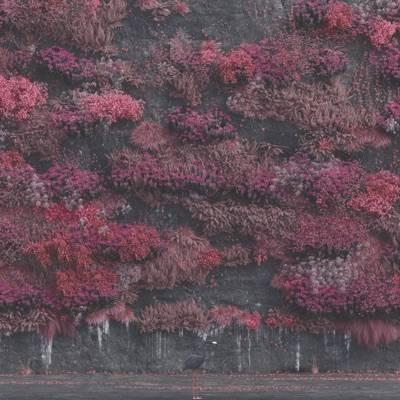
The song begins with Vessel confronting the transactional nature of fame. “Sovereigns” (British gold coins) symbolize how his artistry is reduced to currency—counted, traded, and exploited. The phrase “payback for the good times” suggests a reckoning; the fleeting highs of success now demand a toll, referencing the band’s 2024 identity leaks that shattered their anonymity. The duality of fame is starkly captured in “roses” (beauty, Edenic imagery from Take Me Back to Eden) and “landmine” (danger). Landmines detonate when pressure lifts, mirroring how fame’s pitfalls explode once vulnerability creeps in. Vessel rejects gossip (“grapevine”) about the leaks but contrasts this resolve with raw vulnerability: fans “sing the words” joyfully while he privately “cries into the bassline.” This evokes the Wembley 2023 ritual, where he wept during Blood Sport as the crowd roared—a haunting metaphor for art’s consumption without understanding its pain. The cover art’s burning roses and fractured masks visualize this tension: beauty consumed by chaos, identity splintered by scrutiny.
Wear me out like Prada, devil in my detail
I swear it’s getting harder even just to exhale
Backed up into corners, bitter in the lens
I’m sick of tryna hide it every time they take mine
Here, Vessel equates fame to a suffocating performance. “Wear me out like Prada” ties luxury to exhaustion, referencing The Devil Wears Prada—a film about sacrificing identity for success. His masked persona, once a tool for artistic purity, now feels like a corporate costume. The “devil in my detail” critiques obsessive fan dissection of his life (leaked photos, lyric over-analysis) instead of embracing the music’s essence. “Harder even just to exhale” mirrors Atlantic’s suffocation (“I can’t hold my breath forever”), framing fame as a weight crushing his spirit. “Bitter in the lens” condemns voyeurism; cameras (“lens”) reduce him to a spectacle, while “take mine” laments stolen autonomy—fans shouting his real name at rituals, violating Sleep Token’s ethos. This bitterness echoes Emergence’s “Might bite right through your lens,” where Vessel retaliates against invasive scrutiny.
So stick to me, stick to me like caramel
Walk beside me till you feel nothin’ as well
The chorus is a plea laced with warning. “Caramel” symbolizes clinging loyalty—sweet but prone to hardening (toxic obsession) or melting (fair-weather fandom). Vessel invites listeners to “walk beside” him into numbness, a survival tactic against fame’s erosion. This parallels Sugar’s “I’d turn into liquid to fill you up,” where love becomes a destructive addiction. He doesn’t ask for blind devotion but mourns the shared desensitization required to endure public life. The sticky-sweet metaphor reflects art’s duality: it nourishes but can suffocate when consumed without empathy.
They ask me, “Is it goin’ good in the garden?”
Say, “I’m lost, but I beg no pardon”
Up on the dice, but low on the cards
I try not to talk about how it’s harder now
The “garden” references Take Me Back to Eden’s mythos—an artistic paradise where music, not identity, reigns. Fans conflate success with fulfillment, asking if fame satisfies him. His reply, “I’m lost, but I beg no pardon,” rejects the expectation to perform gratitude. The gambling metaphors (“dice” and “cards”) highlight his precarious state: luck blessed Sleep Token’s rise (TMBTE’s viral success), but fate dealt a losing hand—harassment, leaks, and emotional fatigue. “I try not to talk about how it’s harder now” underscores societal pressure on artists to mute their struggles, masking pain beneath performative gratitude.
Can I get a mirror side-stage?
Looking sideways at my own visage, gettin’ worse
Every time they try to shout my real name just to get a rise from me
Acting like I’m never stressed out by the hearsay
Vessel confronts fractured self-perception. The “side-stage mirror” reflects a distorted identity—he no longer recognizes himself beneath the mask. This ties to The Love You Want’s “I’m a waking hell / Lit up by the glare of my own reflection,” where fame’s spotlight warps his soul. Fans shouting his real name (2024 leaks) reduce him to a spectacle, violating Sleep Token’s creed of anonymity. The line “Acting like I’m never stressed” critiques the demand for artists to mask turmoil, echoing Blood Sport’s “And I’m still your favorite regret”—public narratives overshadowing private agony.
I guess that’s what I get for tryna hide in the limelight
Guess that’s what I get for having 20/20 hindsight
Everybody wants eyes on ’em, I just wanna hear you sing that top line
Vessel unpacks anonymity’s cruel irony. Masks meant to protect magnified curiosity; his “hindsight” mourns foreseeing fame’s risks but being powerless to stop them. The line “hear you sing that top line” references Wembley’s Euclid climax, where he held his mic to the crowd, tears streaming as fans sang. He craves communal catharsis, not idolatry—art as shared healing, not exploitation. This moment epitomizes his conflict: the stage is both sacred and suffocating.
This stage is a prison, a beautiful nightmare
A war of attrition, I’ll take what I’m given
The deepest incisions
I thought I got better, but maybe I didn’t
The outro distills the song’s thesis. The stage, once a sacred ritual space (Sundowning), is now a “prison” of performative anguish. “Beautiful nightmare” mirrors The Night Does Not Belong to God—art as divine torment. “War of attrition” acknowledges fame’s slow erosion of his spirit; he’ll “take what he’s given” but hints at eventual burnout. “Deepest incisions” confronts self-harm relapses (High Water’s “scars on my arms”), tying fame’s stress to reopened wounds. The closing line—“I thought I got better, but maybe I didn’t”—echoes Euclid’s cyclical despair, revealing healing as fragile and nonlinear.
The song’s title, Caramel, encapsulates its core: art, like caramel, is sweetness forged through burning. Fans consume the music’s surface but ignore the scorched bitterness beneath—Vessel’s tears, leaked identity, and screams (“I wish it all away”). Sleep Token’s journey—from anonymity to viral fame—becomes a cautionary tale: art thrives in mystery but dies under scrutiny. Caramel is a funeral dirge for the artist’s soul in an age of exploitation, where loyalty clings like sugar but festers like a wound.